
"color difference"
10000 article(s) found
Cafe Entrepreneurship guidance Lecture-Store Design
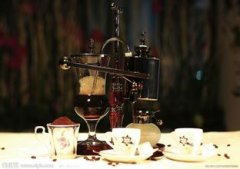
The most specific comprehensive performance of the coffee shop is the whole business space. As for how to make the whole business space have vitality and show its characteristics, it depends on the full cooperation of the shop's front work and logistics operation. The in-store business activities of a cafe can be discussed in two directions. First of all, it is to promote the concentration of guests in the store, and then the guests of the store can make them more in the future.

The role of crema in Italian espresso extraction time practice Variety producing area
The extraction time of crema in espresso may be a little misunderstood here, because in a single cup, a 15-second coffee and a 30-second coffee look the same, but I guarantee that the colors of the two are absolutely different, if you don't believe it, please drop a drop of coffee on the white paper, so the lighter the Crema, the lighter the coffee, the dissolved in the coffee.
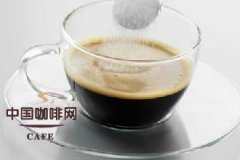
The main choice of sugar in coffee is yellow sugar, white sugar and cube sugar.
Sugar can be divided into white sugar, brown sugar and yellow sugar according to color. The difference in color is due to the different degree of removal of impurities in the sugar-making process. White sugar is refined sugar, the purity is generally more than 99%; yellow sugar contains a small amount of minerals and organic matter, so it has color; brown sugar is unrefined crude sugar, the color is very dark. Generally speaking, white sugar and yellow sugar are suitable for seasoning in coffee or black tea.

Indoor coffee shop design style Japanese Nordic style and industrial compound mixed coffee shop decoration
Professional coffee knowledge exchange more coffee bean information Please follow the coffee workshop (Wechat official account cafe_style) take a comprehensive view of the decoration of a large number of coffee shops on the market, it seems that it is not difficult to find their common design styles and techniques, as long as we grasp the design tips, home can also easily create a coffee-scented environment, not only go to the coffee shop to drink good coffee, but also let my home is

MyCuppa Tea/Coffee color card tea / coffee cup
These two cups, one teacup and the other is a coffee cup, which is obviously indicated by words on the outside of the cup. Look at it is no different from an ordinary ceramic cup. Look carefully at the color card printed inside the cup. The main function is on this color card. This color card tells you how to mix coffee or milk tea that suits your taste and keep track of your favorite taste at any time.

Colorful map coffee table stands out among similar products
This series of brightly colored coffee tables are designed by Venetian designers. The top of each table has different lines, with maps of Paris, Barcelona, Venice and Istanbul. Coupled with red, yellow, brown and white four representative colors of each city, this series of coffee tables will easily stand out from similar products, unforgettable.

There are three kinds of sugar in coffee: yellow sugar, white sugar and square sugar.
Sugar can be divided into white sugar, brown sugar and yellow sugar according to color. The difference in color is due to the different degree of removal of impurities in the sugar-making process. White sugar is refined sugar, the purity is generally more than 99%; yellow sugar contains a small amount of minerals and organic matter, so it has color; brown sugar is unrefined crude sugar, the color is very dark. Generally speaking, white sugar and yellow sugar are suitable for seasoning in coffee or black tea.

Three options for adding sugar to coffee
Sugar can be divided into white sugar, brown sugar and yellow sugar according to color. The difference in color is due to the different degree of removal of impurities in the sugar-making process. White sugar is refined sugar, the purity is generally more than 99%; yellow sugar contains a small amount of minerals and organic matter, so it has color; brown sugar is unrefined crude sugar, the color is very dark.

Coffee roasting boutique coffee roasting
American Coffee Association (SCAA) roasting standard this standard uses infrared caramelization tester technology (Agtron) to measure the color of coffee beans to determine the roasting degree of coffee, and the color is divided into eight equal parts into eight standard color blocks for coffee industry as roasting identification. According to the roasting degree preferred by various countries, this is also the earliest distinction of coffee roasting degree, because
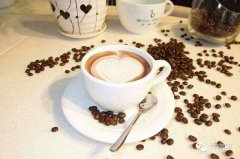
Coffee sugar can be selected from three kinds of white sugar, brown sugar and yellow sugar
Sugar can be divided into white sugar, brown sugar and yellow sugar according to color. Color shades are different because the degree of impurity removal in the sugar making process is different. White sugar is refined sugar, the purity is generally more than 99%; yellow sugar contains a small amount of minerals and organic matter, so it has color; brown sugar is unrefined crude sugar, the color is very dark. Generally speaking, white sugar and yellow sugar are suitable for flavoring coffee or black tea.

Is white coffee white coffee?
We know that black coffee is brown and black, so is the packet of coffee white? In fact, white coffee is not white coffee, it shows a light milky golden yellow, looks more similar to the color of milk tea. Why is white coffee different in color from other coffees? The reason why white coffee has such a distinctive color is that its production process is different from that of ordinary coffee. General

Coffee defective bean definition picture and text what is coffee defective bean how to identify different defective beans?
Professional coffee knowledge exchange more coffee bean information Please follow the coffee workshop (Wechat official account cafe_style) manual sorting operation there is a trick is to decide which kind of defective beans to start with. First of all, the order of inspection is color, luster, and shape. After removing the foreign bodies and black beans whose colors are obviously different from those of raw beans, there are dead beans, fermented beans and non-glossy beans.
Three options for Coffee with Sugar
Sugar can be divided into white sugar, brown sugar and yellow sugar according to color. The difference in color is due to the different degree of removal of impurities in the sugar-making process. White sugar is refined sugar, the purity is generally more than 99%; yellow sugar contains a small amount of minerals and organic matter, so it has color; brown sugar is unrefined crude sugar, the color is very dark. Generally speaking, white sugar and yellow sugar are suitable for seasoning in coffee or black tea.

How about the slow-baked Brazilian coffee beans? Coffee flavor with different baking rhythm
Professional coffee knowledge exchange more coffee bean information please follow the coffee workshop (Wechat official account cafe_style) A few days ago while reading the book "Baking Science" by Ono, the editor saw this in the book: take 12 minutes to prepare for roasting, the next minute to maintain a temperature rise of 4-5 ℃, and explode at 17-18 minutes. This baking method is recommended by the author.
General knowledge about coffee roasting
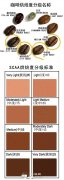
The roasting degree of coffee is first named and distinguished according to the roasting degree preferred by various countries, but because the standard is too general, different roasters have different opinions on the roasting degree. The American Coffee Association (SCAA) uses infrared caramelization tester technology (Agtron) to measure the color of coffee beans to determine the roasting degree of coffee, and the color is made into eight standard color blocks for roasting in the coffee industry.
When can I stop roasting when coffee is roasted?
When do you want to stop baking? It can be judged from the following points: 1. Color of coffee beans: because coffee beans show different colors when roasted to different degrees, color becomes the most commonly used basis for baking depth, which can be applied to most coffee beans, but some coffee beans are special. Kenya beans, for example, are much darker than ordinary coffee beans.
Introduction to the packaging of coffee beans, the materials used in packaging and the differences in color
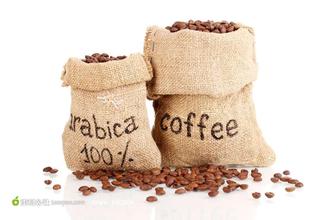
According to the form of coffee supply, coffee packaging can be divided into three categories: raw bean export packaging, roasted coffee bean (powder) packaging, instant coffee packaging. Ethiopia Maral coffee packaging atlas 1, raw bean export packaging: raw bean packaging is generally used in gunny bags. Different coffee producing countries in the world usually export coffee beans in 70kg or 69kg packages (only Xia Wei

Mixed coffee beans, strong arbitrariness, seek personality color!
Mixed coffee is also called blended coffee. Nowadays, almost all the popular Italian coffee belongs to the category of mixed coffee. We generally refer to two or more different varieties of coffee or the same variety of coffee but roast different degrees of coffee mixed together as mixed coffee. Mixed coffee is by no means a simple addition, but in the hope that the coffee can be treated by the blender.
The right way to taste coffee the body of color, aroma and taste
The body of coffee is actually what we usually call mellow, taste and concentration, so the body is not a taste or color or smell, but a feeling, which makes the taste of the body very difficult. Generally speaking, the difference between high and low alcohol is similar to the difference between cream-- whole milk-- skim milk-- clear water, which is the feeling of the stickiness of the coffee liquid on the tongue.
Coffee knowledge thinks coffee is not good? Then change the cup.
Have you ever had such an experience in life that the same coffee tastes different today and yesterday? What would you do at this time? Pour it out and make a new cup? Or two more sugars? In fact, maybe you just need to change a cup. Recently, Australian researchers have found that drinking coffee with different cups can give people different perceptions of the taste of coffee.